Grand Canyon
Vast canyons, ancient history, and awe-inspiring views.
To say that the Grand Canyon is vast is an understatement. It is larger than some U.S. states and easy to underestimate its size. Going with a guide helps you see the best viewpoints, stay safe on the trails, and learn about the canyon’s geology and cultural history. From guided rim walks to rafting on the Colorado River, adventure tours make this epic park more accessible and meaningful.
Hermit Road Tour
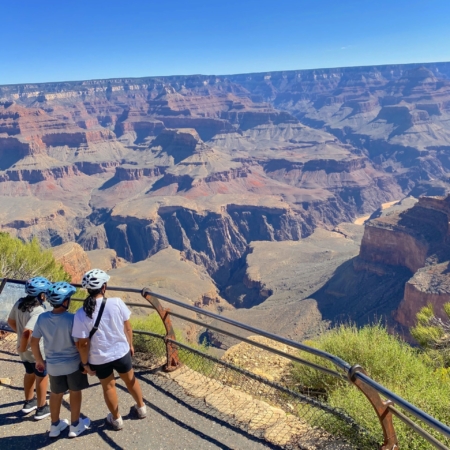
Explore the Grand Canyon's West Side by bike.... More
Morning Yaki Point Tour
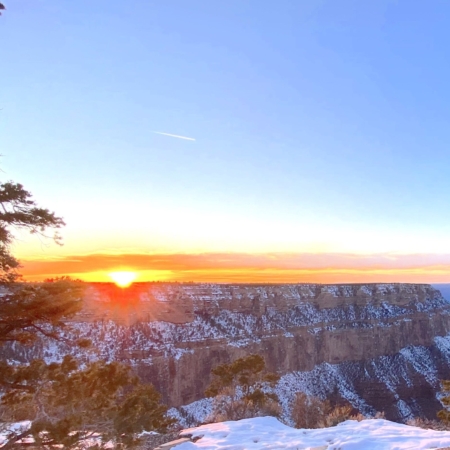
Bike to Yaki Point on a 7-mile guided ride.... More
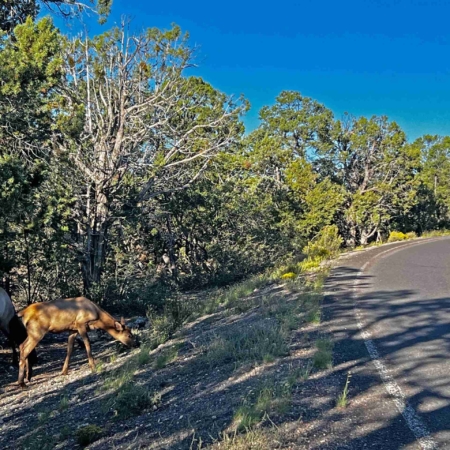
Afternoon Yaki Point Tour
Explore Yaki Point by bike with an afternoon guide.... More
Gateway towns like Tusayan, Williams and Flagstaff make the perfect bases for exploring Grand Canyon National Park. Most visitors spend 2–4 days, but whether you have just one day or a full week, here’s how to make the most of it.
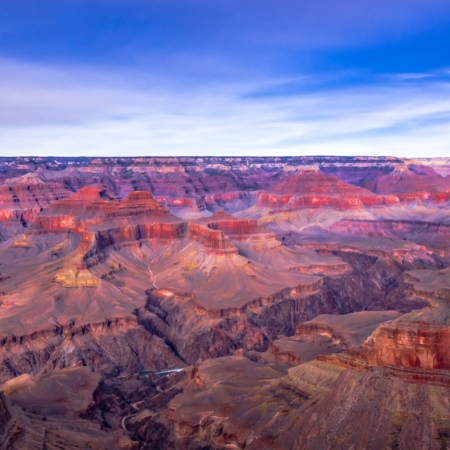
Morning: Arrive at the South Rim before sunrise for breathtaking views at Mather Point. Walk the paved section of the Rim Trail to Yavapai Geology Museum, where exhibits explain the canyon’s story.
Afternoon: Take a guided hike part way down the South Kaibab Trail to Ooh Aah Point for a glimpse of life below the rim or explore exhibits at Grand Canyon Visitor Center.
Evening: Ride the free shuttle to Hopi Point for sunset — one of the best vantage points in the park. Stay after dark for a ranger-led stargazing program under some of the clearest skies in the U.S.
👉 Best for first-time visitors or day-trippers.
Day 1: Start with orientation at the Visitor Center, then follow Desert View Drive to see multiple overlooks, including Desert View Watchtower. End the day back at Grand Canyon Village with dinner at El Tovar or Bright Angel Lodge.
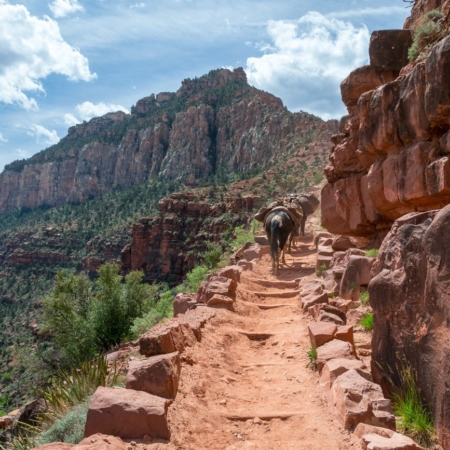
Day 2: Join a guided hike along the Bright Angel Trail or take a mule ride below the rim. Families can join Junior Ranger programs or opt for a shorter rim hike.
Day 3: See the canyon from above with a helicopter tour from the South Rim, or take a side trip to Page for Antelope Canyon and Horseshoe Bend.
👉 Balanced mix of scenery, adventure, and culture.
Day 1–2: Explore South Rim overlooks and trails with time for museums and ranger talks. Add a photography walk or cultural program to deepen the experience.
Day 3–4: Begin a multi-day rafting expedition on the Colorado River, camping along sandy beaches and exploring side canyons.
Day 5: Visit the North Rim (summer/fall only), driving to Cape Royal and Point Imperial for quieter, dramatic views.
Day 6: Take a geology walk with a ranger, explore Tusayan Pueblo or relax in Tusayan town with dinner and a Grand Canyon IMAX film.
Day 7: Watch one, last sunrise then wander Grand Canyon Village, browsing Native craft shops before departure.
👉 Best for travelers who want to see the canyon in depth, at a comfortable pace.
No two Grand Canyon trips will ever be the same — and that’s what makes them unforgettable. Whether you’re after a quick getaway, a family adventure, or a week packed with hiking, rafting, and scenic tours, our team can create the perfect itinerary.
👉 Tell us your travel dates and favorite activities, and we’ll build a personalized Grand Canyon experience just for you.
Spring and fall are ideal for pleasant weather.
As the snow melts, the canyon comes alive. Wildflowers bloom along the rim, waterfalls surge with runoff, and wildlife stirs — you may spot elk grazing in meadows or California condors soaring overhead. Days are mild and nights cool, making it one of the most comfortable times to hike. Spring is also quieter than summer, so popular overlooks and shuttle routes feel more relaxed.
Best for: Rim hikes, wildflower photography, and mule rides below the rim.
Summer is the busiest season at the South Rim, and with good reason. Long daylight hours mean more time for exploring, and evening skies come alive with ranger-led astronomy programs. Down in the canyon, temperatures can soar above 100°F, but rafting on the Colorado River keeps things cool. Afternoon monsoon storms sometimes roll in, creating dramatic lightning shows over the cliffs — they are an unforgettable reminder to plan hikes for mornings. The North Rim, which is cooler and less crowded, is open for this short summer window.
Best for: Rafting trips, sunrise tours, helicopter flights, and stargazing.
You’ll fall in love with fall as the crowds thin, the air turns crisp, and the canyon glows in autumn light. At the North Rim, groves of aspen turn golden before the rim closes in mid-October. The cooler weather makes long hikes more comfortable and the lower sun angle enriches the colors of the rock layers for photographers. It’s also a season of quiet — perfect for those who want to reflect in solitude at a rim overlook.
Best for: Scenic hikes, cultural heritage walks, and photography tours.
Winters on the South Rim feel hushed and magical. Snow drapes the rim in white, while mule deer wander through the pines, and sunrises paint the canyon walls in pastel hues. While the North Rim is closed, the South Rim stays open and far less crowded. Trails are peaceful, lodges cozy, and the air is crisp and clear — perfect for photography. With proper layers, it’s one of the most rewarding times to visit.
Best for: Winter hikes, rim photography, and quiet sightseeing tours.
View All Grand Canyon Tours & Activities
The Grand Canyon’s vastness can be overwhelming — but seeing it with a guide ensures you won’t miss the best spots. Our certified guides handle the logistics and reveal stories of geology, wildlife and Native cultures that bring the canyon to life.
Whether you want to stand on the rim at sunrise, descend by mule to the canyon floor, raft through whitewater, or soar above it in a helicopter, you’ll find a guided experience that matches your adventure level.
Most visitors start at the South Rim, where scenic drives, overlooks, and museums reveal the canyon’s most iconic views. With a guide, you’ll learn the histories behind places like Mather Point, Desert View, and Hopi Point — and skip the stress of parking by riding in comfortable shuttles between stops.
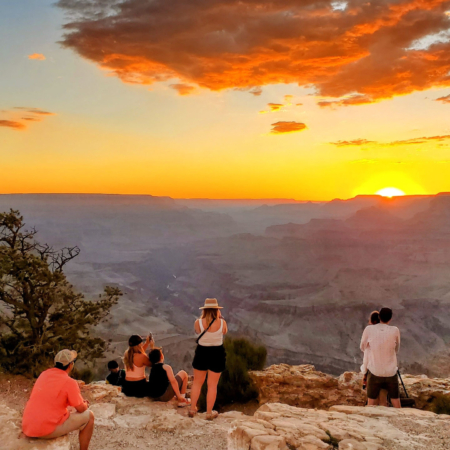
Grand Canyon South Rim Sunset Tour with Dinner included
Sunset sightseeing tour along Desert View Drive with included... More
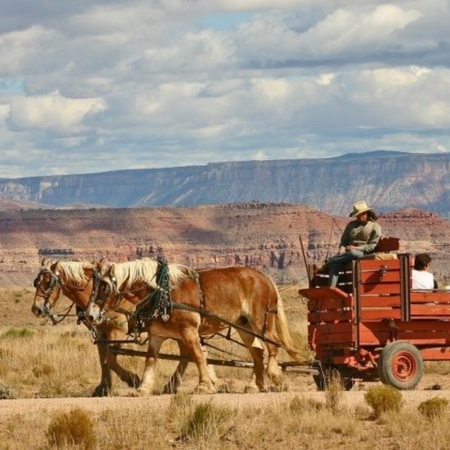
Grand Canyon South Rim Tour
Guided South Rim day trip from Las Vegas with Route 66 stop and... More
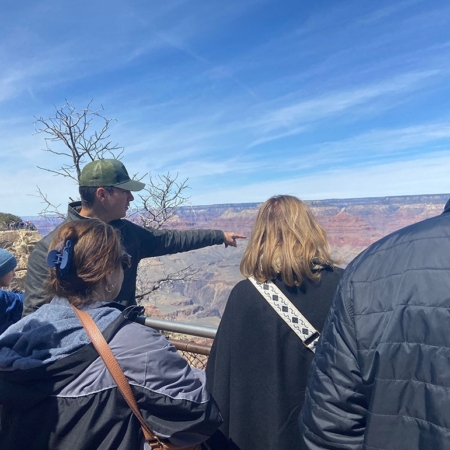
Grand Canyon Tour
Guided South Rim day trip from Sedona with round-trip... More
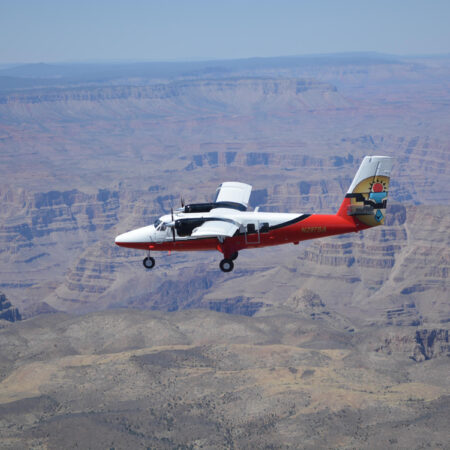
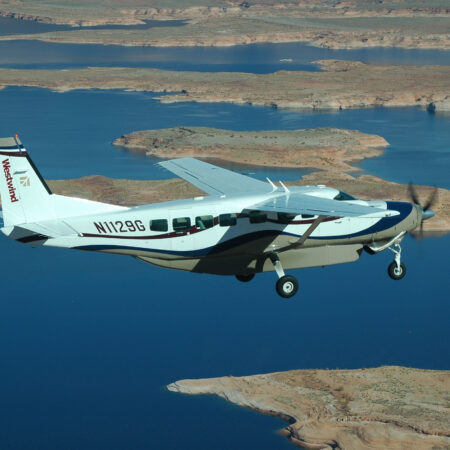
Soaring above the canyon puts its staggering size into perspective. Flights from the South Rim, Las Vegas, or Sedona sweep over the gorge, the Painted Desert, and the Colorado River. From this height, the layers of stone look like a giant’s tapestry stretching to the horizon.

Grand Canyon Aerial Tour From Sedona
Scenic aerial flight from Sedona to the Grand Canyon and back.... More

Grand Canyon Aerial Tour From Flagstaff
1.5-hour scenic Grand Canyon flight from Flagstaff.... More

Grand Canyon Signature Tour – South Rim with Hummer Ground Tour
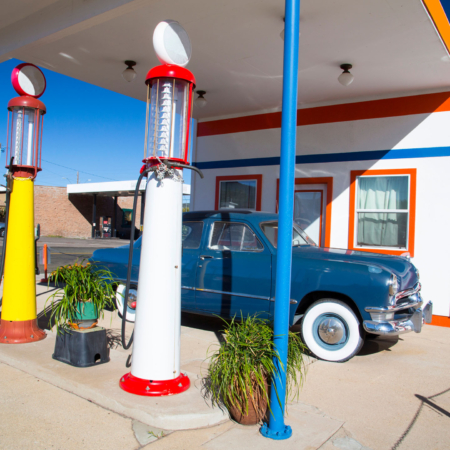
Air + ground Grand Canyon day tour from Phoenix with Hummer... More
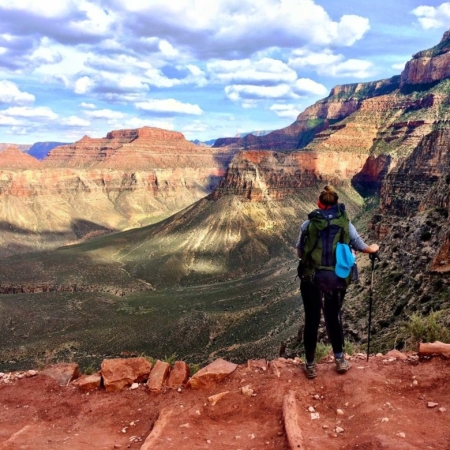
There’s no better way to feel the canyon’s scale than by moving through it on your own two feet or by bike. Hiking trails like Bright Angel and South Kaibab wind down through layers of ancient stone, rewarding you with hidden views, quiet oases, and a deep sense of connection to the land. For those who’d rather stay along the rim, biking the scenic Hermit Road or riding out to Yaki Point is a refreshing way to take in sweeping vistas while spotting wildlife on your journey. With expert guides leading the way, you’ll not only explore safely but also hear the stories of the geology, plants, and people that make each path come alive.
Hermit Road Tour
Explore the Grand Canyon's West Side by bike.... More
Morning Yaki Point Tour
Bike to Yaki Point on a 7-mile guided ride.... More
Afternoon Yaki Point Tour
Explore Yaki Point by bike with an afternoon guide.... More
Grand Canyon Visitor Center (South Rim)
The main hub for most travelers, the Grand Canyon Visitor Center is often the first stop after entering the South Rim. Here you’ll find orientation films, maps, and helpful rangers who can recommend hikes or shuttle routes based on your time and interests. The center is also the launching point for free shuttle buses, making it easy to reach iconic overlooks without the stress of parking.
Yavapai Geology Museum
Perched right on the rim, this museum offers one of the best panoramic views into the canyon. Inside, you’ll find exhibits and interactive displays that explain how the canyon was formed, with windows that frame the very layers you’re learning about. It’s the perfect place to connect the science of geology with the awe of the view.
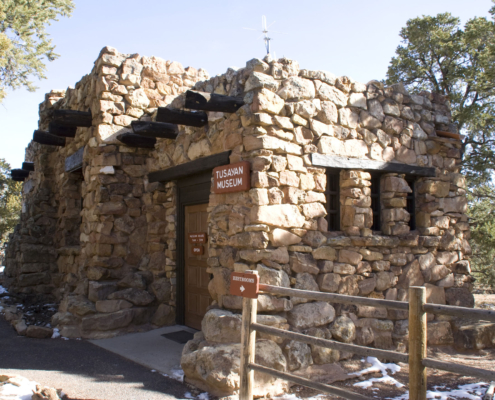
Tusayan Museum & Ruin
On the eastern edge of the park, this historic stone tower was designed by architect Mary Colter in 1932. Climb to the top for sweeping views of the Painted Desert and the Colorado River as it enters the canyon. Inside, you’ll find murals inspired by Native traditions, making this not just a viewpoint but a cultural landmark.
North Rim Visitor Center
Open from May through October, the North Rim Visitor Center feels more intimate than its South Rim counterpart. Rangers here provide information on backcountry trails and scenic drives, while nearby overlooks like Bright Angel Point are just a short walk away. With its forested setting and cooler temperatures, the North Rim offers a quieter and more reflective Grand Canyon experience.
Open year-round. However, the North Rim is only open seasonally (May–Oct).
More Than A View
Spring and fall bring mild weather and fewer crowds, while summer offers long days but heavy visitation, and winter rewards the hardy with snowy vistas and peaceful trails.
Dining and lodging at South Rim village, with more restaurants in Tusayan and Flagstaff.
In the Park: Historic El Tovar Dining Room, Bright Angel Lodge Restaurant and casual cafeterias.
Nearby: Tusayan steakhouses, Williams’ Route 66 Diners, Flagstaff craft breweries, Sedona cafés.
Water and refillable bottles, sturdy shoes, sun protection, and layered clothing for rapidly changing conditions.
Stay on marked trails, pace yourself and carry plenty of water.
**Hiking rim-to-river and back in one day is not advised.**
Cell service is limited, though emergency phones are located along some trails.
Inclement Weather Operations on Hermit Road
How Many Species Can You Spot?
The Grand Canyon can feel overwhelming in scale, but the park has made many areas accessible so everyone can share in the experience.
South Rim Access
Desert View Area
North Rim Access
Additional Support
From paved rim overlooks to shuttle-connected viewpoints, the Grand Canyon offers many ways for visitors of all abilities to experience its grandeur.
When you are planning your trip to the park, having a bird’s eye view of the area you want to visit is always a plus. These maps below provide detailed information about areas in and around Grand Canyon National Park.
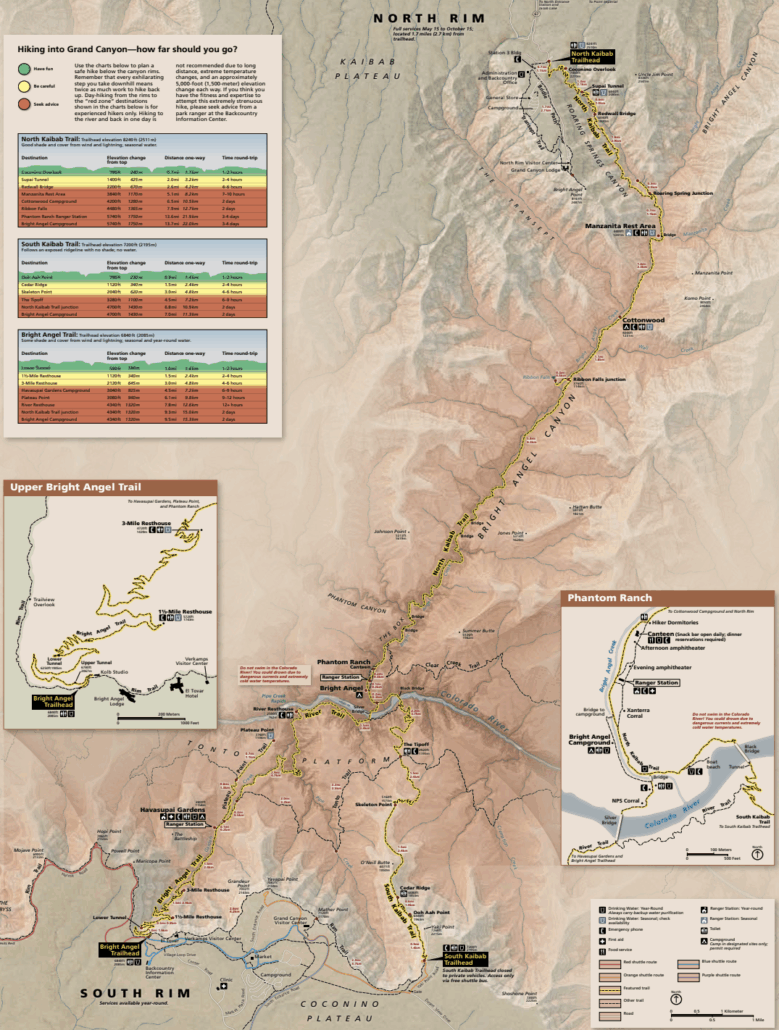
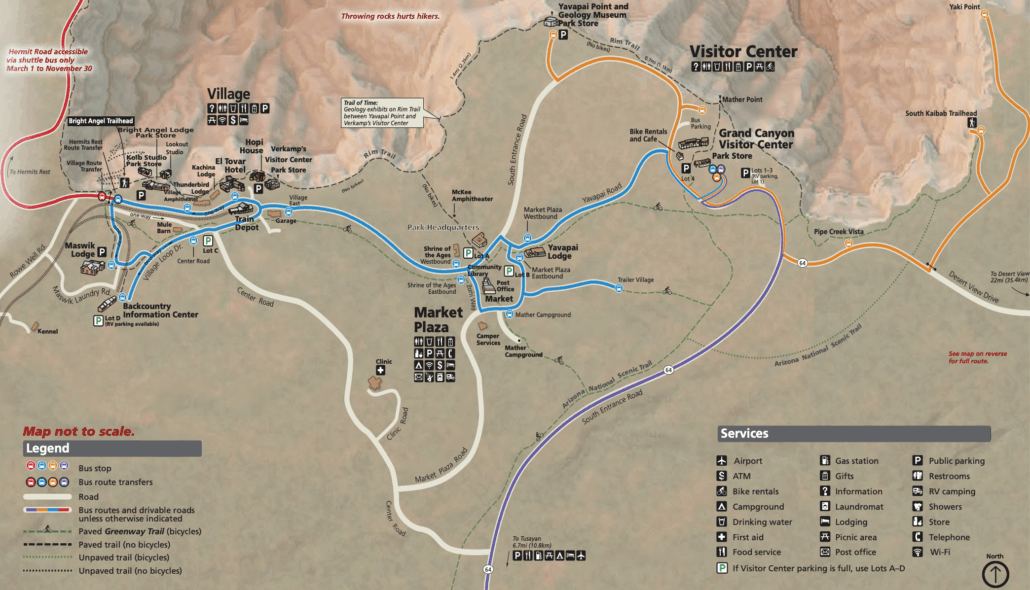
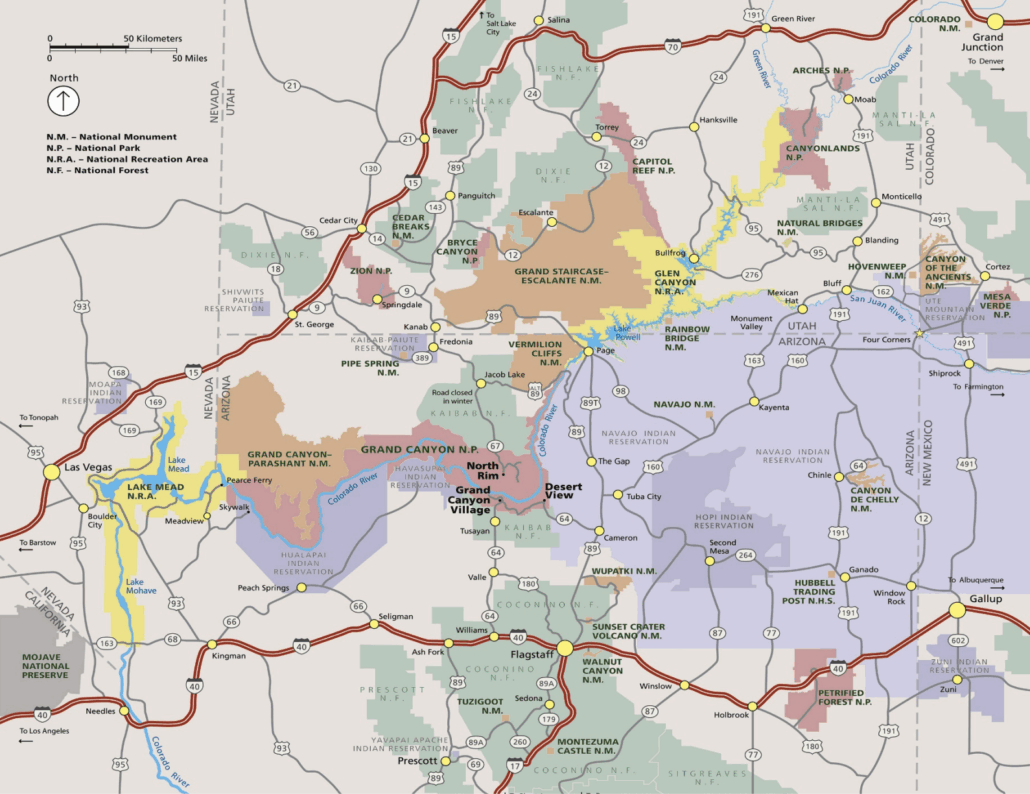
The Grand Canyon is surrounded by towns and cities that each offer their own character, comforts, and connections to the park. Whether you want to stay steps from the entrance or combine your trip with other Southwest adventures, these gateways provide the perfect starting points.
Just outside the South Rim entrance, Tusayan is the easiest base for park explorers. Hotels, restaurants, and even a seasonal shuttle make it simple to stay close to the action. After a day on the rim, you can grab a hearty steak dinner or catch a Grand Canyon IMAX film before resting up for tomorrow’s adventure.
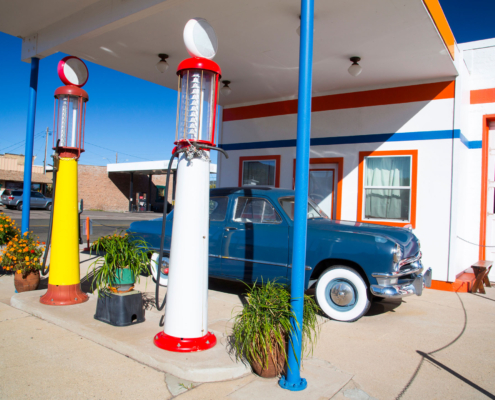
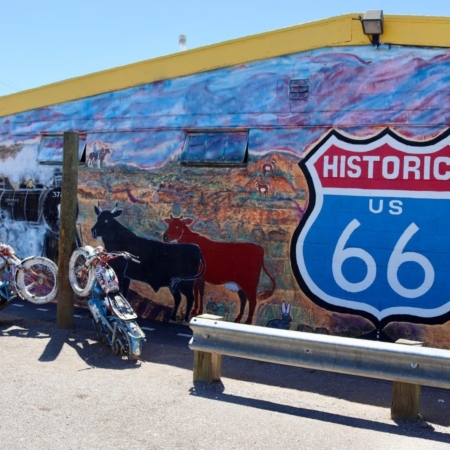
Known as the “Gateway to the Grand Canyon,” Williams sits on historic Route 66. Its biggest draw is the Grand Canyon Railway — a vintage train that whistles its way through forests and high desert straight to the South Rim. Staying here means you can mix small-town charm, classic diners, and a touch of nostalgia with your canyon trip.
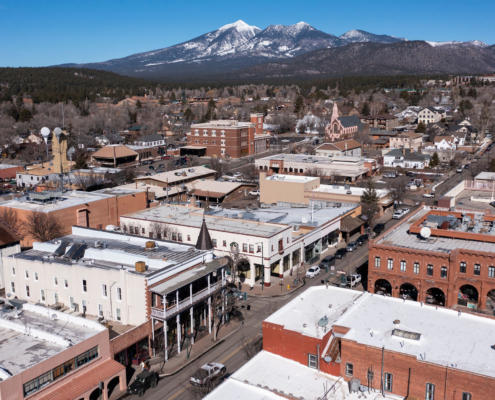
A little farther away but worth the drive, Flagstaff offers a lively downtown with craft breweries, mountain views, and a college-town vibe. It’s big enough for museums and cultural stops but still close enough to the canyon for day trips. Many travelers use Flagstaff as their hub to explore both the Grand Canyon and the wider wonders of northern Arizona.
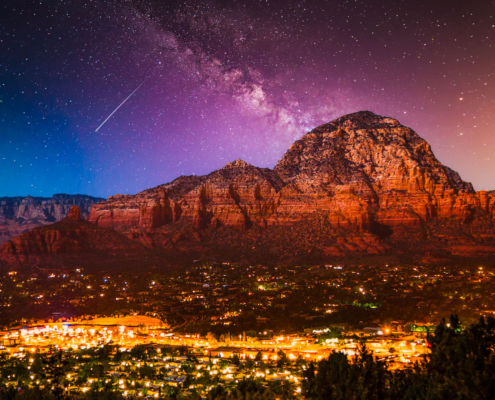
Two hours south of the canyon, Sedona’s red rock formations and vibrant art scene create a striking contrast to the Grand Canyon. Many visitors spend time here before or after their canyon adventure, hiking among sandstone cliffs by day and browsing galleries or stargazing by night.

Beyond its glittering lights, Las Vegas is a major launch point for Grand Canyon tours. Helicopter flights from The Strip soar over Hoover Dam and the Colorado River before touching down at the West Rim, while bus and plane tours offer easy day trips for travelers looking to add the canyon to their Vegas getaway.
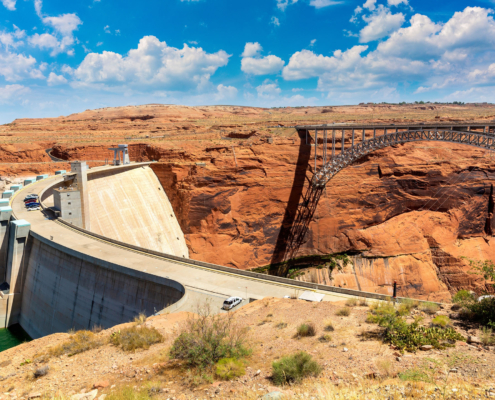
Situated on the shores of Lake Powell, Page is the doorway to Antelope Canyon, Horseshoe Bend, and Glen Canyon. It pairs beautifully with a Grand Canyon trip, offering opportunities for smooth-water rafting, slot canyon hikes and exploring the river country east of the park.

Arizona’s capital city is the main gateway for air travelers, with Sky Harbor International Airport just 3.5 hours from the South Rim. Many visitors begin their Grand Canyon journey here, enjoying desert gardens, world-class dining, and cultural attractions before heading north to the rim.
Get Great Travel Tips, Ideas, and Deals Right To Your Inbox!
 National Park Tours
 Meeting locations vary for each tour: You will be sent a meeting location after you book