Yosemite National Park
Granite Cliffs, Waterfalls, and Giant Sequoias
The scale of Yosemite can be overwhelming. A guide helps you see the highlights without stress, teaches you the stories behind the cliffs, and leads you to spots most visitors miss. From photography walks at sunrise to ranger-led hikes, curated experiences bring Yosemite’s landscapes to life.
Yosemite in a Day Tour
One-day guided tour from San Francisco to Yosemite.... More
Yosemite National Park & Giant Sequoias
Experience Yosemite and Sequoias in one unforgettable day.... More
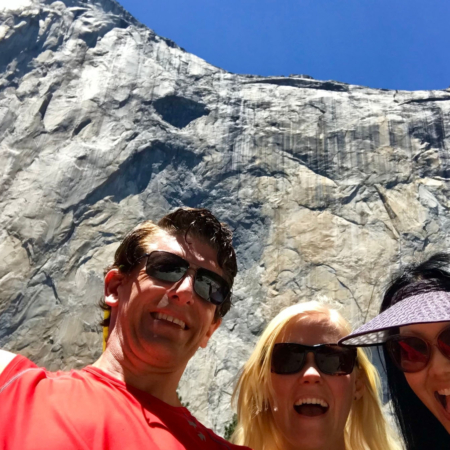
Yosemite Explorer Package
Explore Yosemite on a fully guided 3-day adventure with local... More
Whether you have just one day or an entire week, Yosemite offers a rhythm of highlights. Short trips capture the Valley icons — El Capitan, Half Dome, and Yosemite Falls — while longer stays open the door to sequoia groves, alpine meadows, and quieter corners like Tuolumne Meadows and Hetch Hetchy. These sample itineraries give you a sense of how to pace your visit.
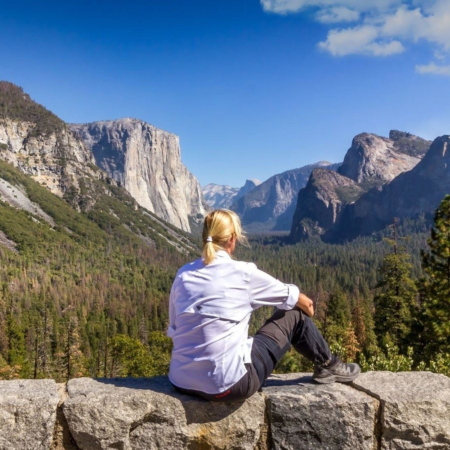
Morning: Begin at Tunnel View for the classic vista of El Capitan, Half Dome, and Bridalveil Fall.
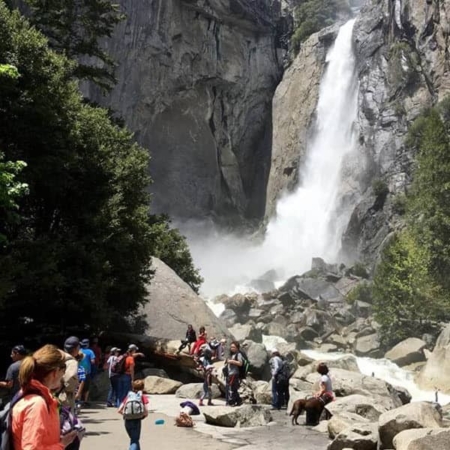
Afternoon: Walk to Yosemite Falls, then explore Yosemite Village’s exhibits.
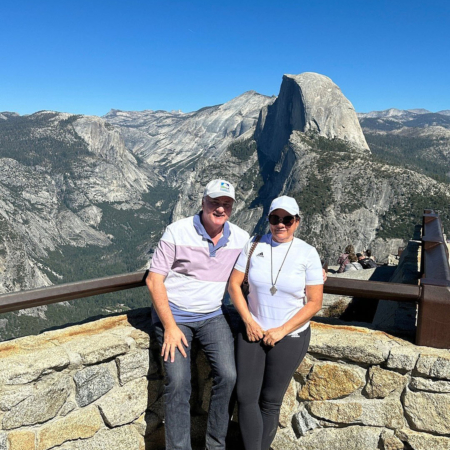
Evening: Drive to Glacier Point for sunset across the valley.
👉 Best for first-time visitors wanting the icons.
Day 1: Explore Yosemite Valley’s highlights — Bridalveil Fall, El Capitan Meadow, Yosemite Falls.
Day 2: Head to Mariposa Grove to walk among giant sequoias, then drive Glacier Point Road.
Day 3: Take a guided hike on the Mist Trail to Vernal and Nevada Falls or climb Half Dome with a permit.
👉 Balanced mix of scenery, history, and adventure.
Day 1–2: Yosemite Valley: hikes to Yosemite Falls, Mirror Lake, and evening stargazing.
Day 3–4: Explore Tuolumne Meadows: alpine hikes to Cathedral Lakes and Soda Springs.
Day 5: Venture to Hetch Hetchy for waterfalls and quiet trails.
Day 6: Photography sunrise at Glacier Point; afternoon in Wawona’s historic district.
Day 7: Relax with a picnic by the Merced River before departure.
👉 Best for travelers who want Yosemite’s full range.
No two Yosemite trips are alike. Some travelers want gentle walks and ranger talks, while others crave big climbs and backcountry solitude. Tell us your travel dates and favorite activities, and we’ll help shape a custom Yosemite adventure that fits your style — from day tours to weeklong escapes.
Open year-round; some high roads close in winter.
Yosemite changes with the seasons more dramatically than most parks. Spring torrents, summer crowds, autumn colors, and winter quiet all create distinct experiences. Knowing what to expect helps you choose the right trails, pack the right layers, and find the park at its most rewarding.
Spring (April–June)
Snowmelt turns waterfalls into roaring torrents. Meadows fill with wildflowers, and wildlife emerges.
Best for: Waterfall hikes and valley photography.
Summer (July–August)
Long days, warm weather, and all roads open — but also peak crowds. Plan early starts and book in advance.
Best for: High-country hikes, Half Dome climb, and climbing adventures.
Fall (September–October)
Golden colors fill the valley, crowds thin, and cooler weather makes hiking ideal.
Best for: Scenic drives, sequoia walks, and quiet hikes.
Winter (November–March)
Snow transforms Yosemite Valley into a hushed wonderland. Badger Pass offers skiing and snowshoeing.
Best for: Solitude, photography, and winter sports.
View All Yosemite Tours & Activities
Yosemite is best experienced with a mix of self-guided wonder and expert-led adventures. Guided tours take the stress out of logistics, secure hard-to-get permits, and reveal the hidden stories of the park — from geology and wildlife to cultural history. Whether you want a narrated valley floor drive, a sunrise photo walk, a challenging hike up Half Dome, or a quiet stroll among sequoias, Yosemite tours connect you more deeply with this iconic landscape.
For travelers who want the highlights without strenuous hiking, sightseeing tours offer the perfect introduction. Narrated valley floor drives, photo stops at Tunnel View and Glacier Point, and visits to Mariposa Grove ensure you see Yosemite’s icons with ease, while guides share the park’s history and hidden stories.
Yosemite National Park & Giant Sequoias
Experience Yosemite and Sequoias in one unforgettable day.... More
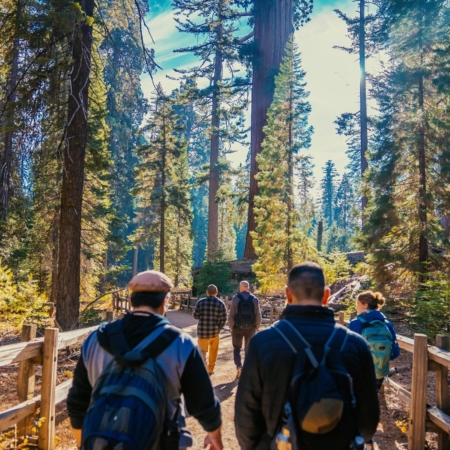
Yosemite and Giant Sequoias Day Tour from San Francisco
See Yosemite & Giant Sequoias in one eco-friendly day.... More
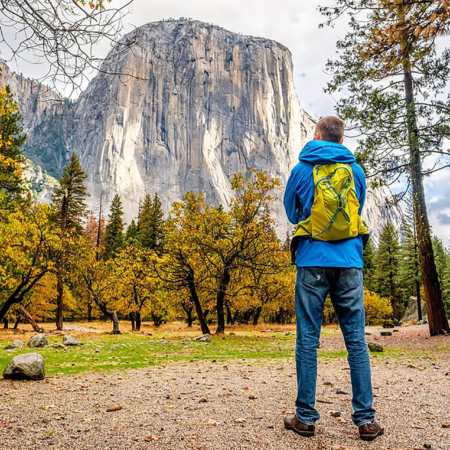
Yosemite Day Tour from San Francisco
Full-day guided eco-tour from San Francisco to Yosemite.... More
Yosemite is a hiker’s paradise, with trails that range from short valley walks to legendary climbs like Half Dome. Whether you want to stroll to Mirror Lake, climb the Mist Trail beside Vernal Fall, or trek into the high country of Tuolumne Meadows, guided hikes make the journey safer and more meaningful.
Yosemite in a Day Tour
One-day guided tour from San Francisco to Yosemite.... More
Yosemite Explorer Package
Explore Yosemite on a fully guided 3-day adventure with local... More
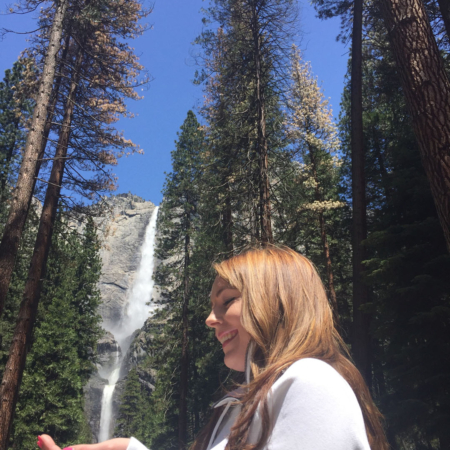
Yosemite Valley Discovery Walk
Discover Yosemite Valley on a guided nature walk.... More
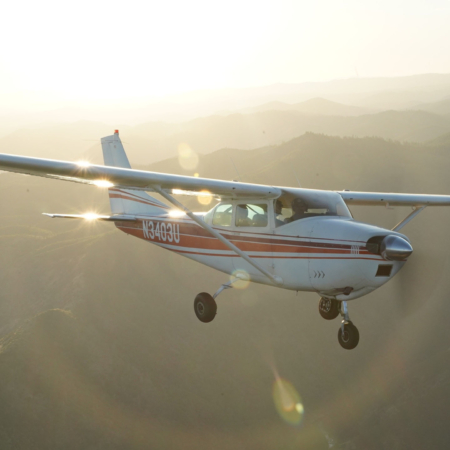
Seeing Yosemite from above reveals its scale in a way the Valley floor never can. From fixed-wing flights over the Sierra Nevada to helicopter tours that circle Half Dome and Glacier Point, air adventures put the park’s cliffs, waterfalls, and domes into breathtaking perspective.
Yosemite’s visitor centers do more than hand out maps — they help you understand the park’s story, from geology to Native heritage, and give you the latest updates on trails, permits, and programs. Each one highlights a different part of Yosemite.
Yosemite Valley Visitor Center
The main hub near Yosemite Village. Exhibits trace the Valley’s dramatic geology, Miwok culture, and the history of preservation. Rangers here lead daily talks, issue wilderness permits, and answer questions about trails and conditions. Next door, the Ansel Adams Gallery showcases the work of Yosemite’s most famous photographer.
Tip: Make this your first stop if you’re new to Yosemite — rangers can tailor your day to current conditions, and the bookstore sells detailed maps.
Wawona Visitor Center at Hill’s Studio
Set in a historic building near the Wawona Hotel, this center dives into Yosemite’s cultural past. Exhibits cover Native life, pioneer history, and the early artists who helped inspire the park’s protection. In summer, living history programs bring the past alive.
Tip: Pair a visit here with a walk through the Pioneer Yosemite History Center to see covered bridges and historic cabins.
Tuolumne Meadows Visitor Center
Open in summer only, this rustic center at 8,600 feet highlights Yosemite’s high-country wilderness. Exhibits explain glaciers, wildflowers, and alpine wildlife, while rangers provide updates on trails like Cathedral Lakes and Glen Aulin.
Tip: Acclimatize slowly — the elevation is high. Walk gently, drink plenty of water, and consider an overnight stay nearby if you plan big hikes here.
Big Oak Flat Information Station
Located at the Big Oak Flat Entrance (Highway 120), this small but useful stop offers maps, permits, and road/trail updates. It’s a good place to check driving conditions for Tioga Road or Glacier Point Road.
Tip: Stretch your legs here and confirm any construction or wildfire closures before committing to a route.
Hetch Hetchy Entrance Station
The quieter side of Yosemite. Staff provide permits and advice for trails to Wapama and Rancheria Falls. The Hetch Hetchy Reservoir itself is beautiful and far less crowded than the Valley.
Tip: Bring extra water and start early — trails here can be hot and exposed in summer.
Yosemite welcomes millions of visitors each year, and planning ahead is essential. In peak summer months, day-use reservations are required to enter the park, and many campgrounds and lodges book out months in advance. Permits are mandatory for the Half Dome hike, overnight backcountry trips, and some wilderness climbs. Roads like Tioga Pass and Glacier Point are seasonal, opening late spring and closing with the first winter snow. Check current conditions on the NPS site, and if you’re driving, arrive early to secure parking. Shuttles operate in the Valley to reduce congestion — consider leaving your car at your lodging or a gateway town and using the free service.
Entrance Fees: $35 per vehicle (7-day); $20 per person; $80 annual pass.
Reservation Requirements: Day-use reservations sometimes required in peak summer.
From entrance fees and shuttle info to where to eat and what to bring, Yosemite’s practical details shape every visit. This is where you’ll find the essentials — so you can focus on the views instead of the logistics.
Inside Yosemite, dining tends to be simple and seasonal, but it fits the setting. In Yosemite Valley you’ll find cafés, pizza decks, and casual grills where you can refuel between hikes, as well as the famous Ahwahnee Dining Room, a grand space with floor-to-ceiling windows and stone fireplaces. Curry Village offers hearty breakfasts and picnic-style meals, while Degnan’s Deli is perfect for grab-and-go sandwiches before a trail day.
Outside the park, gateway towns expand your options: Mariposa has farm-to-table eateries and cozy pubs, Oakhurst serves everything from Mexican to barbecue, and Groveland keeps its Gold Rush spirit alive with lively saloons and diners. After days of trail food, a sit-down dinner in a mountain town feels especially rewarding.
Tip: Dining inside the park books up fast in summer — make reservations at the Ahwahnee and Yosemite Valley Lodge in advance.
Packing for Yosemite means preparing for extremes. In summer, the Valley can be hot, while high country trails stay cool and breezy. Always carry layers: a light jacket, sun hat, and sturdy hiking boots. A refillable water bottle (or better, a hydration pack) is essential — refill stations are located around the Valley. Bring sunscreen, insect repellent, and snacks, especially if you’re tackling longer hikes like the Mist Trail or Half Dome.
Don’t forget your camera or binoculars; Yosemite’s wildlife and landscapes beg to be seen up close. If camping, bear-proof food containers are mandatory and can be rented or purchased nearby.
Tip: Afternoon thunderstorms are common in summer. A lightweight rain shell is worth its weight in gold.
Yosemite is awe-inspiring but demands respect. Trails often climb steep cliffs, rivers run fast in spring, and bears are part of the ecosystem. Stay on marked paths, obey warning signs, and never underestimate the effort of a hike — a “short” climb in the Valley can be surprisingly steep.
Store all food and scented items in bear-proof lockers, never in your car. Hydrate often, rest in shade, and avoid starting strenuous hikes in the midday heat. If you’re attempting Half Dome, know that cables can be slippery and weather can change in minutes.
Tip: Think in terms of energy. If you hike down into the Valley, remember you must hike back up. Plan conservatively, especially with kids.
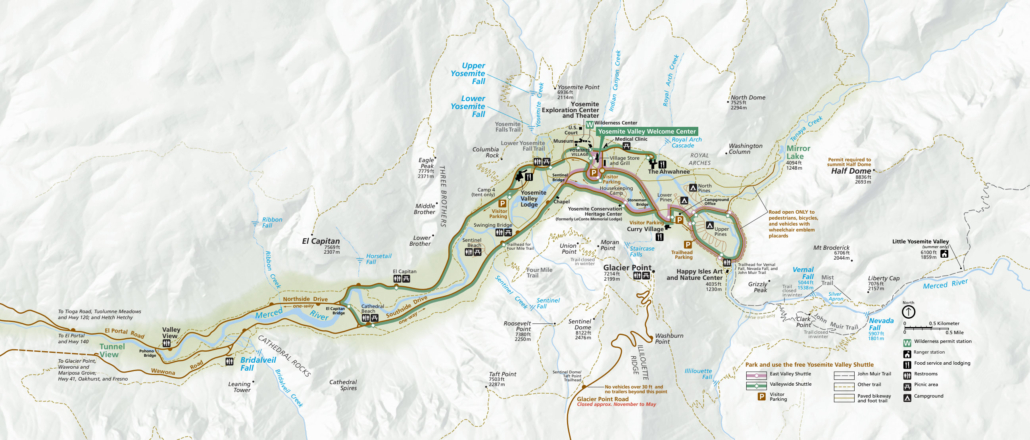
Within Yosemite Valley, a free shuttle loops to major trailheads, lodges, and viewpoints. It runs year-round, with more frequent service in summer. The Glacier Point and Tuolumne Meadows shuttles (seasonal) open access to higher elevations without the stress of driving narrow, winding roads.
Regional transit is provided by YARTS (Yosemite Area Regional Transportation System), with bus service from towns like Mariposa, Merced, and Mammoth Lakes — a great option if you’d rather leave the car behind.
Parking in the Valley fills by mid-morning in peak season, so consider staying in a gateway town and taking YARTS or arriving at dawn.
Tip: Shuttles are wheelchair accessible and allow you to focus on the views instead of traffic.
Yosemite works hard to welcome visitors of all abilities. Paved paths lead to Bridalveil Fall and Lower Yosemite Fall viewpoints, while boardwalks in Mariposa Grove allow everyone to stand among giant sequoias. Shuttle buses are wheelchair accessible, and many lodges offer ADA-compliant rooms.
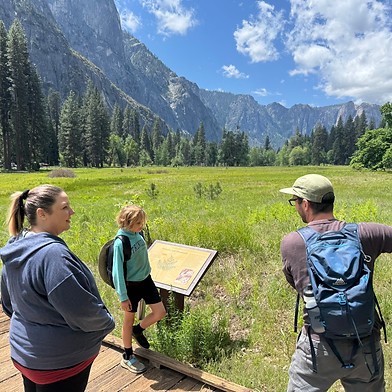
Tip: The flat loop around Cook’s Meadow in Yosemite Valley is one of the easiest ways to see El Capitan, Half Dome, and Yosemite Falls without strenuous hiking.
Helpful Tips To Make Your Stay Great
A Story Of Hope
Visiting The Park With Your Pet
Nature Notes, Tips & Info
Winter Tips & Information
What It Looks Like On A Popular Weekend
What It Looks Like On A Popular Weekend
Permits Needed Everyday
Spanish Language Version
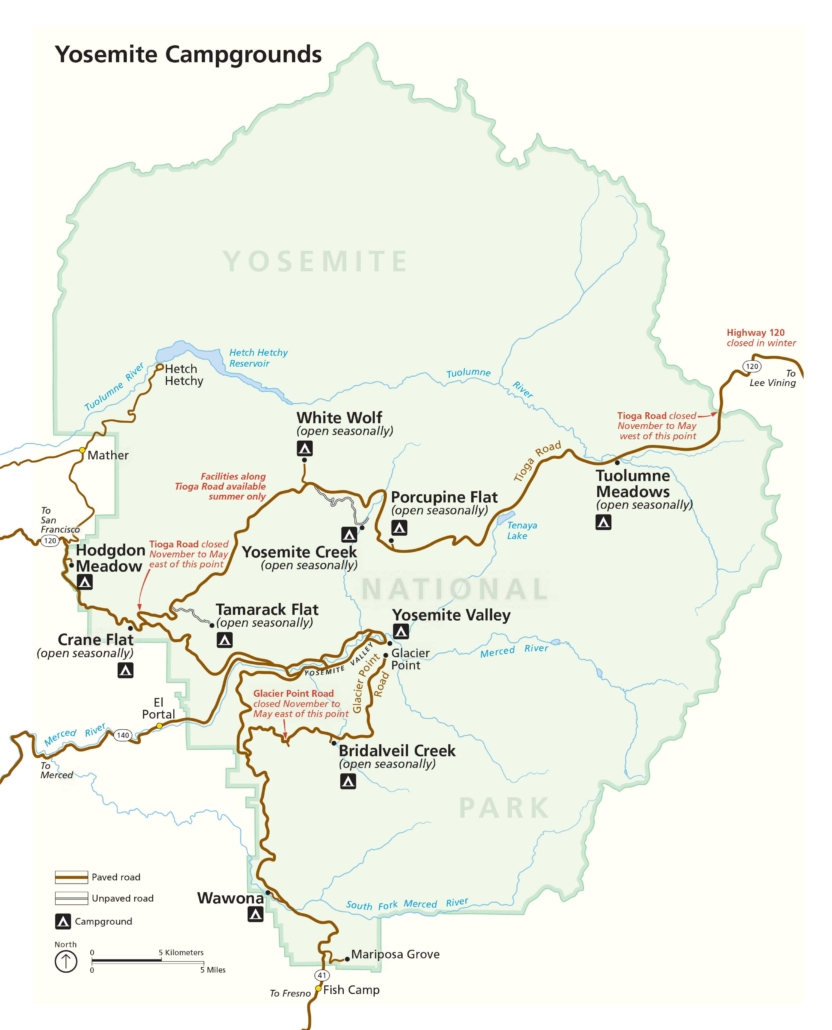
In a park as vast as Yosemite, maps are indispensable. They help you orient to the Valley floor, plan hikes in the high country, and understand where the roads and shuttle routes connect. Digital maps are handy, but a paper map can be a lifesaver in areas without cell service.
The communities surrounding Yosemite are more than waypoints — they’re part of the park experience. Each gateway town has its own character, from Gold Rush history in Mariposa to rustic cabins in El Portal. Whether you’re looking for lodging, dining, or just a taste of Sierra Nevada culture, these towns add depth and comfort to your Yosemite adventure.
Mariposa feels like stepping into California’s Gold Rush past. Its walkable downtown is filled with historic buildings, museums, and welcoming cafés. After a day in the park, you can grab a hearty meal, browse art galleries, or sip a local craft beer while chatting with friendly locals. It’s close to the Arch Rock Entrance, making it one of the most popular bases for Yosemite explorers.
Laid-back and charming, Groveland is best known for its saloon — said to be the oldest operating in California. It’s a small town with big hospitality, offering rustic lodges, casual dining, and live music on summer nights. Groveland’s location near the Big Oak Flat Entrance makes it a natural stop for travelers coming in from the Bay Area.
If you want to be as close as possible to Yosemite Valley without actually staying inside the park, El Portal is the spot. Tucked along the Merced River, it’s a tiny community with a handful of lodges and campgrounds. At night you’ll fall asleep to the sound of rushing water, and in the morning you can be in the Valley in minutes.
Oakhurst is the largest of the nearby towns, which means you’ll find plenty of restaurants, shops, and hotels. It’s especially convenient if you’re heading to Mariposa Grove or Wawona. Families appreciate the mix of cozy accommodations and easy access to groceries, coffee shops, and kid-friendly dining after a long day outdoors.
For many visitors, the Yosemite journey starts in San Francisco. Pairing the city’s iconic Golden Gate views and waterfront culture with a trip into the Sierra Nevada makes for an unforgettable California adventure. From bustling Fisherman’s Wharf to quiet Chinatown teahouses, San Francisco offers endless contrasts before you head east toward Yosemite’s granite walls.
Nestled in Silicon Valley, San Jose provides another convenient starting point for Yosemite travelers. Its international airport offers connections worldwide, while the city itself blends high-tech energy with cultural gems like the San Pedro Square Market. From here, it’s a scenic drive through rolling foothills into the mountains.
Get Great Travel Tips, Ideas, and Deals Right To Your Inbox!
 National Park Tours
 Meeting locations vary for each tour: You will be sent a meeting location after you book